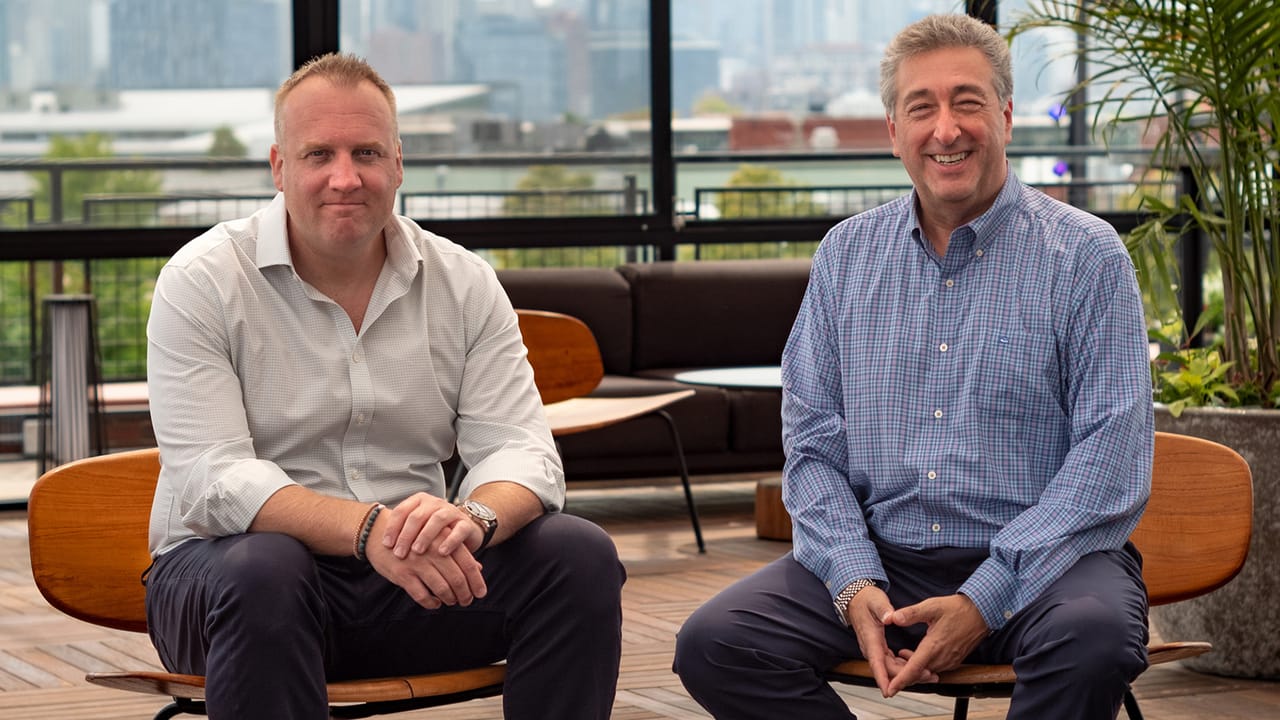
When Barry Ritholtz and Josh Brown started Ritholtz Wealth Management in 2013, their plan was to build a partnership model in which they would sell a stake internally every year or so.
In the early 2020s, they began to see their firm—and the registered investment advisor (RIA) space in general—start to “explode,” according to Ritholtz. In response, the duo established a broader equity-sharing structure for current and future employees.
“We thought, we have to do this now before everything just gets to be too silly,” Ritholtz said. “We set something up so that when people reach a certain point in their tenure with the firm, they qualify to participate in equity.”
While many other firms have taken outside capital, Ritholtz Wealth Management has maintained its course. The firm announced Friday that it has solidified an employee-succession plan positioning Ritholtz to reduce his role over time, while retaining his roles as chairman and chief investment officer for now. Ritholtz sold a further portion of his stake in the move, though the firm declined to provide details.
Day-to-day leadership will continue under CEO Josh Brown, managing partners Michael Batnick and Kris Venne, and President Jay Tini, with the firm maintaining its well-known name brand.
“I turn 65 this year, and I wanted all of our clients, employees and partners to understand that we have a plan to continue forever, without private equity dollars, regardless of my age,” Ritholtz said.
The equity plan has boosted employee ownership over the past year to now include 29 employees on the capital table, spanning advisors, compliance personnel, and operations staff. While the firm declined to specify how many employees took ownership in 2025, a Form ADV filed at the start of the year showed 26 employees with ownership.
“This is a 10-year succession plan that, with this transaction, went into overdrive,” Brown said. “These are people who are buying stock. In some cases, we make capital available to them, but there are no stock options or grants. These are people who are super bullish on the future of the firm.”
Ritholtz Wealth, whose two founders started out as financial commentators, has grown to $7.6 billion in client assets and 85 employees. The duo remain national financial commentators—Ritholtz hosts Bloomberg’s podcast *Masters in Business*, while Brown is a regular on CNBC and co-hosts the podcast *The Compound and Friends*.
For their own firm, however, remaining employee-owned has been a central thesis of their setup. According to the RIA’s most recent Form ADV, Brown and Ritholtz each own between 25% and 49% of the firm, with two other managing members owning between 5% and 9%. The remaining 24 stakeholders own less than 5%.
“We wanted to make sure that there were enough shares available at a reasonable price for everybody, so we can continue to be the largest, fastest growing, 100% employee-owned firm with no outside equity, no outside investors,” Ritholtz explained.
Many RIAs with private equity or minority investment backing have championed their ability to grow, scale, and, in some cases, fund succession plans by allocating equity. Brown said Ritholtz has not ruled out a future minority investment, but at the moment, it doesn’t need or want such capital.
When it comes to private equity ownership, Brown sees more risk than reward.
“Our superstars are equity owners receiving profit distribution,” he said. “They don’t have to wait for some sort of third party to come in. They don’t have to wait for Barry to turn 85. We really wanted to make it so that his name could be preserved, and we will never be beholden to anyone.”
Brown credited Ritholtz for recognizing the benefits of spreading ownership early on, and for acting on it with this most recent push to 29 employees.
When asked whether he had been inspired by a specific firm or model, Ritholtz referred to the investment bank Lazard, which he said survived the financial crisis partly because it operated under a partnership model.
“Everyone that went public ran into trouble because they were trying to maximize wealth for themselves, as opposed to maximizing satisfaction for the employees, for the clients, for the partners,” he said. “Sometimes life is not about, hey, how high can I ring the bell—there are ways to do this that works out better for everybody involved.”
https://www.wealthmanagement.com/ria-news/ritholtz-wealth-expands-employee-ownership-in-goal-to-be-among-last-dragons-